πŸ“š Part 1: Introduction to CPR

History of CPR

In the mid-1950s, a medical study found that a staggeringly high number of Americans were dying prematurely from heart disease. One of every three deaths was directly related to sudden cardiac arrest.

The medical community began researching a US Army technique that used mouth-to-mouth resuscitation and cardiac massage on pulseless victims. In 1963, a CPR committee was formed to teach CPR to citizens who had no medical background.

Chain of Survival

πŸ“ž
Early Recognition

Call 911 immediately

β†’
πŸ’ͺ
Early CPR

Fast & hard compressions

β†’
⚑
Early Defibrillation

Use AED

β†’
πŸ₯
Advanced Care

EMS Personnel

πŸ’‘ Important

CPR intervention can double the victim's chance of survival and reduce the risk of permanent brain damage.
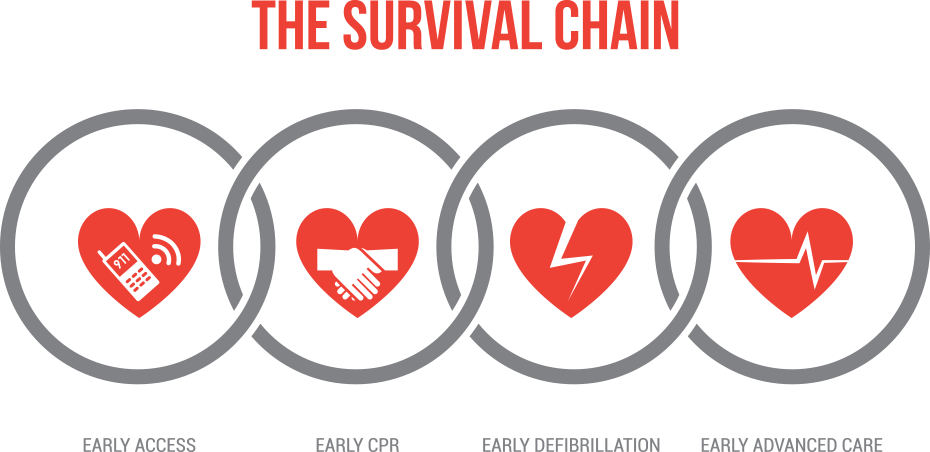
Chain of Survival

Chain of Survival Diagram

Heart Attack Symptoms

😣 Chest Pain

Discomfort or pain in the center of the chest lasting more than a few minutes. Feels like pressure, squeezing, fullness.

🦾 Radiating Pain

Pain spreading to arms, shoulders, back, neck, jaw and/or stomach. Pain may move from point of origin.

😰 Shortness of Breath

Can occur with or without chest discomfort. Due to heart's inability to pump oxygenated blood effectively.

πŸ₯Ά Other Signs

Cold sweats, nausea, vomiting, dizziness, cool clammy skin, feeling of "impending doom".

Personal Protective Equipment (PPE)

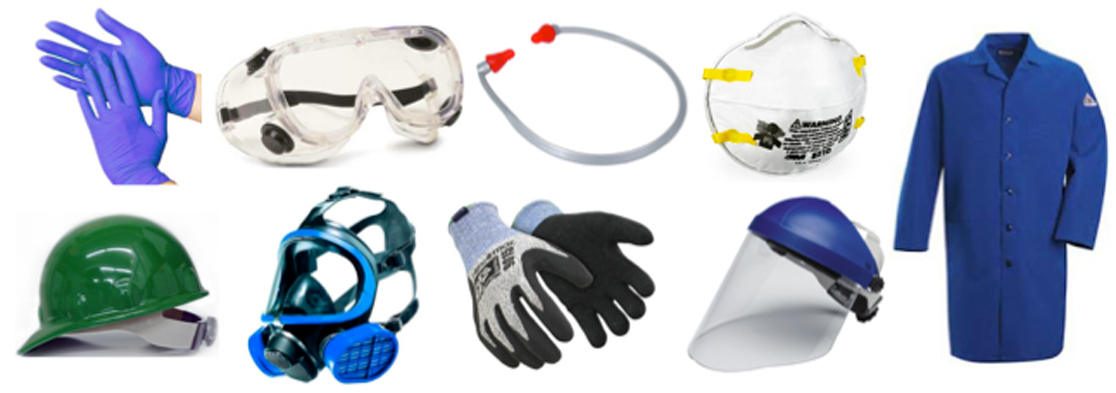
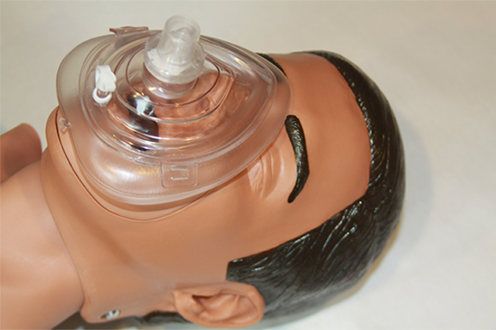
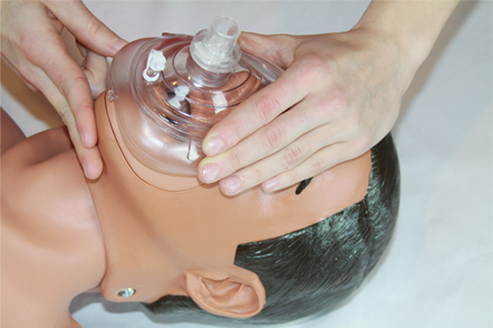
Always use protective gloves and CPR mask when possible to protect yourself from infectious diseases.
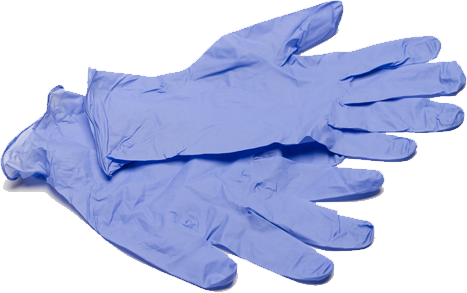
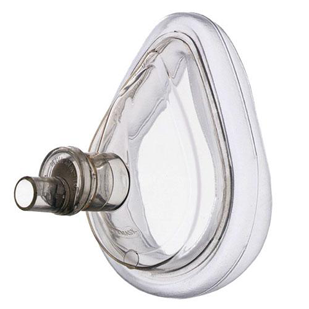
Protective gloves
Protective equipment
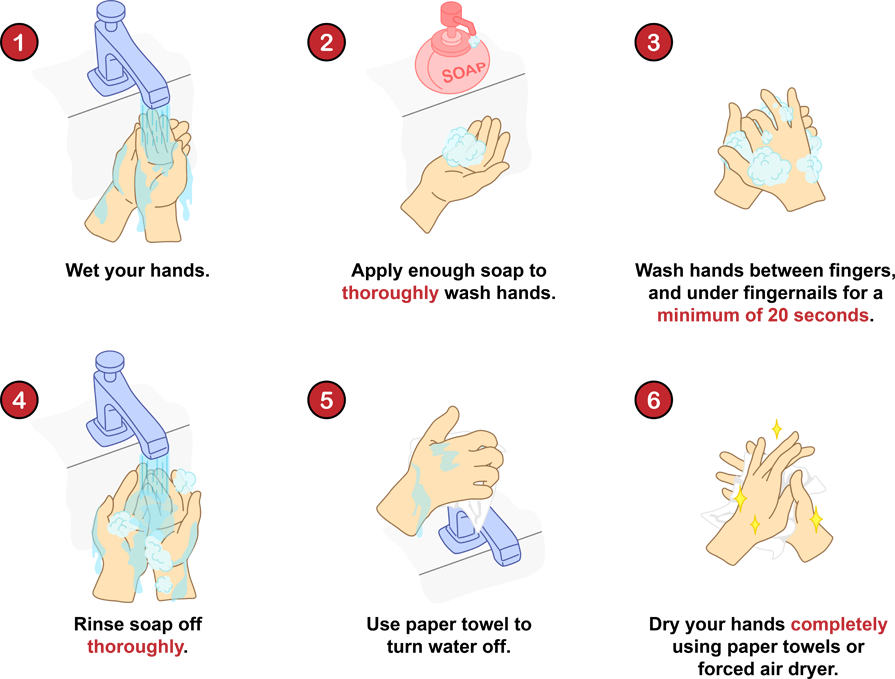
Hand washing

Always wash hands after first aid

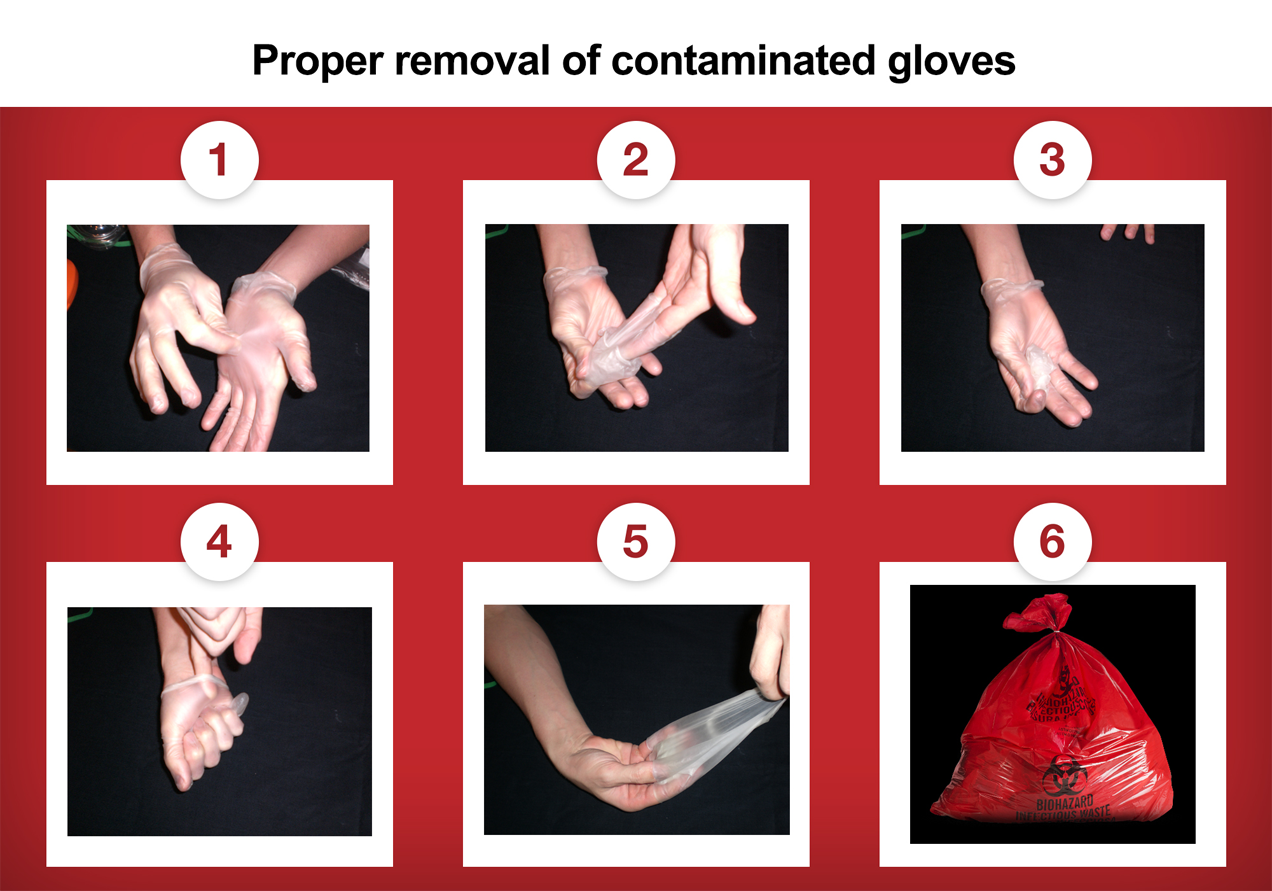
Removing gloves

Proper glove removal technique

Other PPE

Safety glasses, gown, HEPA mask

Emergency Action Steps
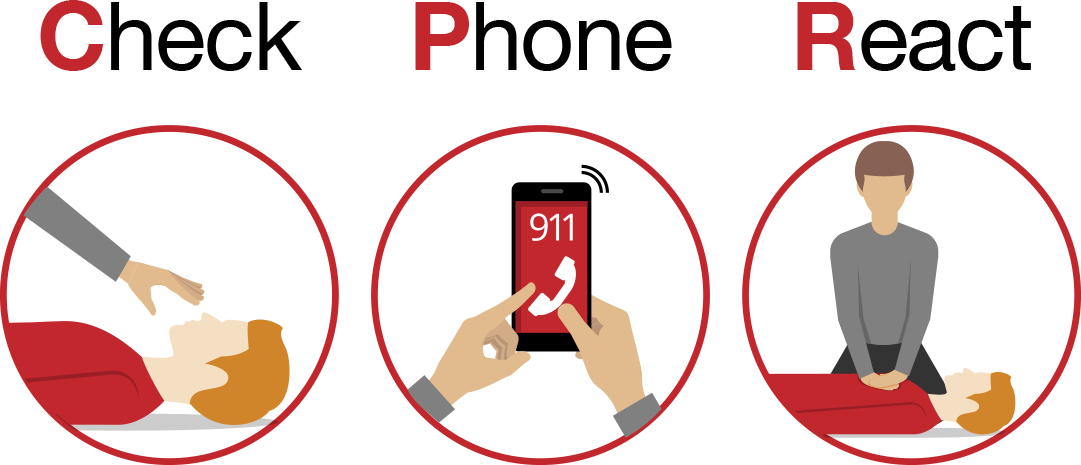
Check - Phone - React

CHECK - PHONE - REACT

Check victim

Check victim responsiveness

CPR Guidelines (2015)

Age Compression Rate Compression Depth Ratio
Adult (8+ years) 100-120/min 2-2.4 in (5-6 cm) 30:2
Child (1-8 years) 100-120/min Up to 2 in (1/3 chest) 30:2
Infant (under 1 year) 100-120/min About 1.5 in (4 cm) 30:2

πŸ‘¨ Part 2: Adult CPR

When to Perform CPR

CPR is indicated for any adult found to be pulseless and breathless, as long as obvious signs of death are not present.

⚠️ Obvious Signs of Death (DO NOT perform CPR)
  • Decapitation
  • Major open chest/cranial vault injuries
  • Stiff cold extremities (Rigor mortis)
  • Obvious tissue decay

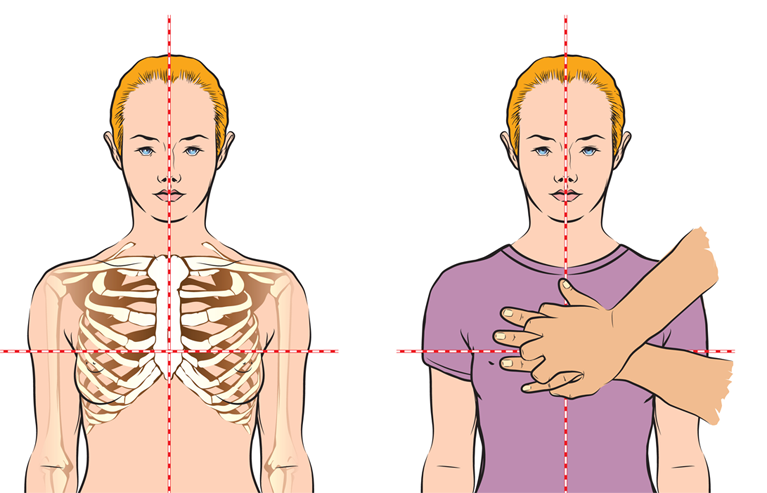
Proper Hand Position

Hand position
Hand position
Hand position

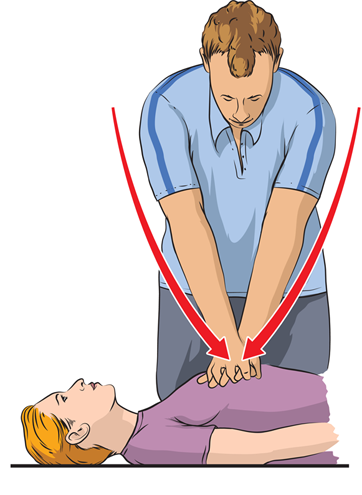
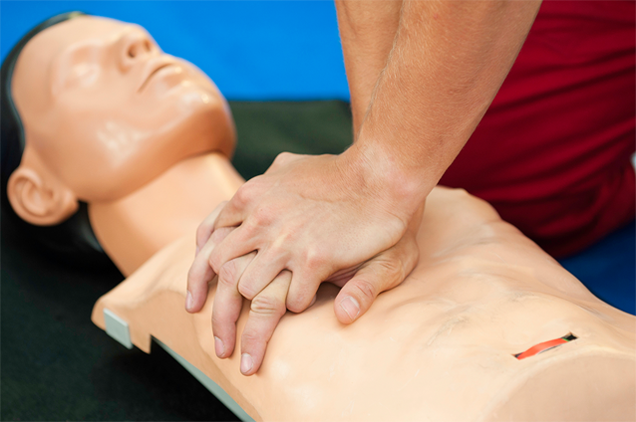
Place heel of hand on center of sternum (between nipples)

C-P-R Procedure

C CHECK the victim
P PHONE 911
R REACT - Begin CPR

Steps for Adult CPR

1

Check Scene Safety & Responsiveness

Check scene safety FIRST, victim SECOND. Tap shoulder and shout: "Are you okay?"

2

Call 911

If alone with adult, call 911 immediately. If others present, point and direct them to call.

3

Position the Victim

Place victim flat on their back on a hard, stable surface (NOT a bed or sofa).

4

Proper Hand Position

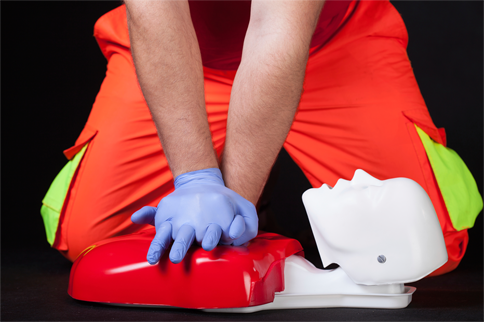
Place heel of hand on center of sternum (between nipples). Place other hand on top, interlace fingers.

Hand position
5

"Hard and Fast" Compressions

Rate: 100-120/min | Depth: 2-2.4 inches | Allow full chest recoil between compressions.

Compression technique Compression depth
6

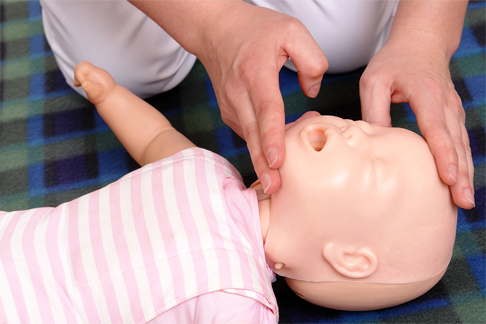
Open Airway

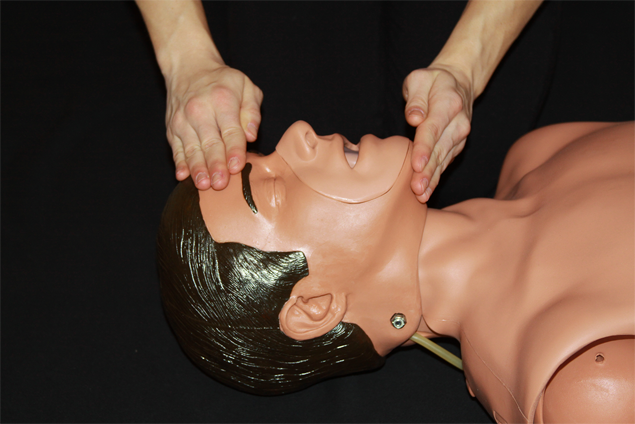
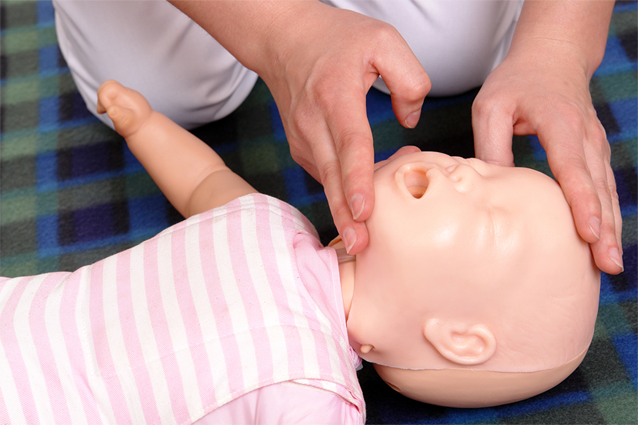
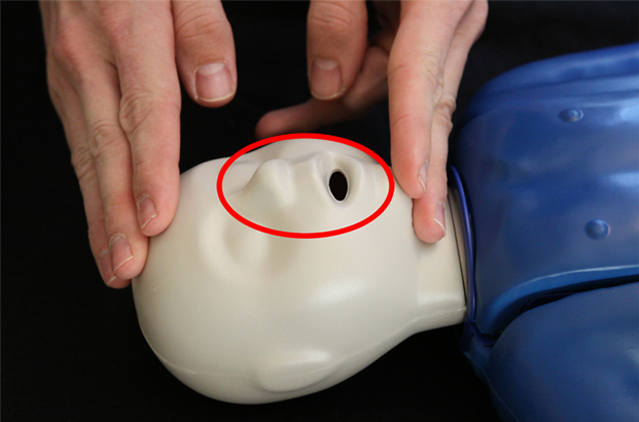
After 30 compressions, open airway using head tilt/chin lift maneuver (if no spinal injury suspected).

Open airway Head tilt chin lift
7

Rescue Breathing

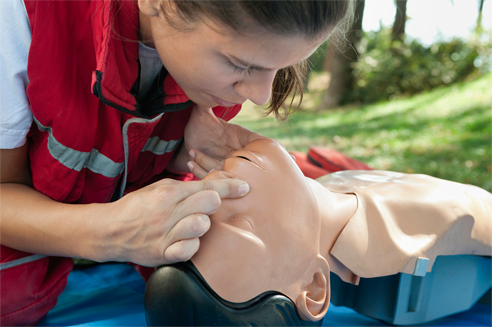
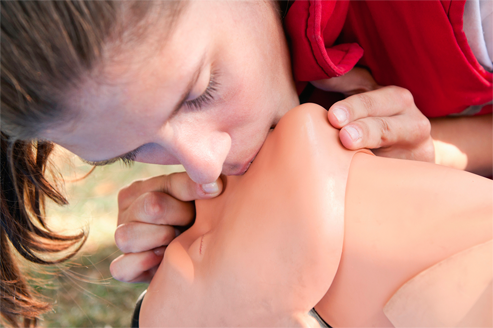
Pinch victim's nose, deliver 2 rescue breaths (~1 second each). Chest should visibly rise.

Rescue breathing Pinch nose and breathe
8

Continue 30:2 Cycle

Repeat 30 compressions + 2 breaths until help arrives or victim recovers.

Video: Adult CPR

Adult CPR - Part 1

Adult CPR - Part 2

Key Parameters

100-120 Compressions/min
2-2.4" Depth (5-6 cm)
30:2 Compression/Breath Ratio

πŸ‘§ Part 3: Child CPR

Child Cardiac Arrest

Most non-traumatic cardiac arrest situations in children result from asphyxia or respiratory failure. Therefore, CPR for children strongly emphasizes rescue breathing.

⏰ Important Note

If alone with a child, perform 2 minutes of CPR (5 cycles) before leaving to call 911. Children cannot survive as long without oxygen as adults.

Child Compression Technique

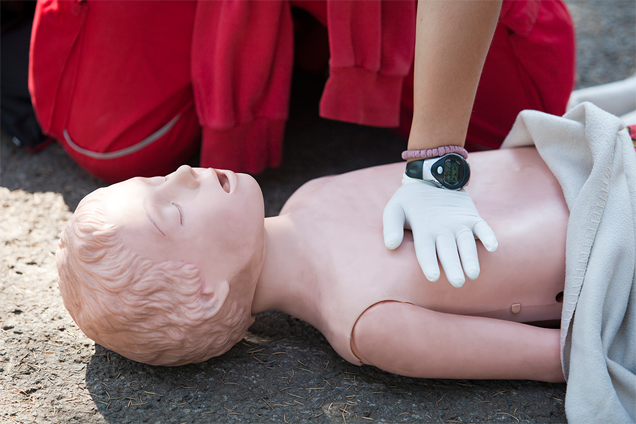
  • May use one or two hands depending on child's size
  • Depth: 2 inches or 1/3 chest diameter
  • Rate: 100-120 compressions/min
  • Allow full chest recoil between compressions
One hand technique

One-hand technique

Hand position

Hand position on child's chest

Child CPR
Child CPR

Video: Child CPR

Child CPR Demonstration

πŸ‘Ά Part 4: Infant CPR

Definitions

  • Newborn: Less than 1 month old
  • Infant: 1 month to 1 year old
⏰ Calling for Help

If alone with an infant, perform 2 minutes of CPR (5 cycles of 30:2) before leaving to call 911. You can carry infant while calling if no spinal injury suspected.

Infant CPR Steps

1

Check Responsiveness

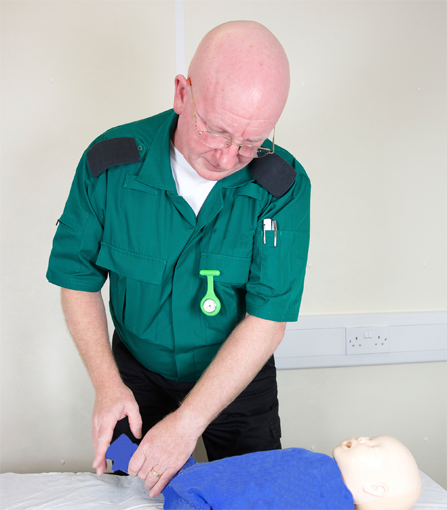
Tap or tickle bottom of feet. Make irritating noises to wake infant.

Check responsiveness

Tickle bottom of feet to check responsiveness

2

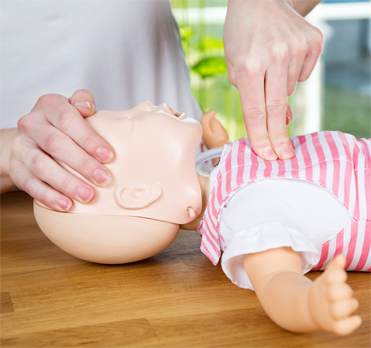
Finger Position

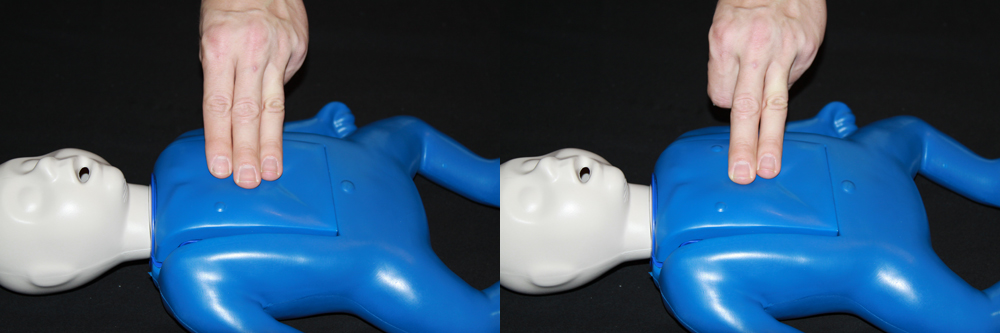
Place three fingers on center of chest with top finger on nipple line. Lift top finger; two remaining fingers are compression point.

Finger position Finger position
3

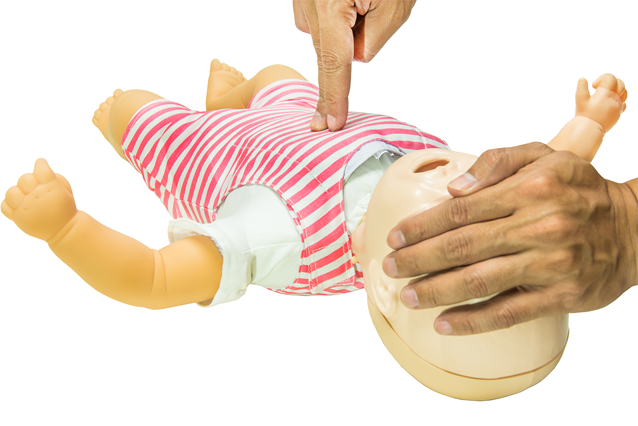
Compressions

Depth: 1.5 inches (1/3 chest diameter) | Rate: 100-120/min | Smooth compressions, not jerky.

Infant compressions Infant compressions
4

Rescue Breathing

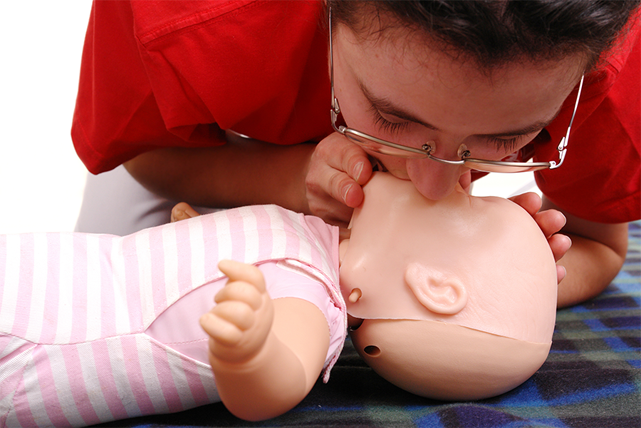
Cover both nose and mouth with your mouth. Give gentle puffs (~1 second each).

Infant rescue breathing Infant rescue breathing

Video: Infant CPR

Infant CPR Demonstration

Infant CPR Parameters

1.5" Depth (4 cm)
2 fingers Technique
Nose+Mouth Breathing

βœ‹ Part 5: Compression-Only CPR

When to Use Compression-Only CPR?

CPR with rescue breathing is recommended. However, Compression-Only CPR is an acceptable alternative when:

  • Rescuer is not trained in rescue breathing
  • Rescuer is unwilling to perform mouth-to-mouth
  • No barrier device (CPR mask) available
⚠️ Not Fully Recommended For:
  • Infants and children
  • Drowning victims
  • CO poisoning victims

Video: Compression-Only CPR

Compression-Only CPR - Part 1

Compression-Only CPR - Part 2

Procedure

100-120 Continuous compressions/min
2-2.4" Depth (adult)
∞ Don't stop

πŸ›Œ Part 6: Recovery Position

When to Use?

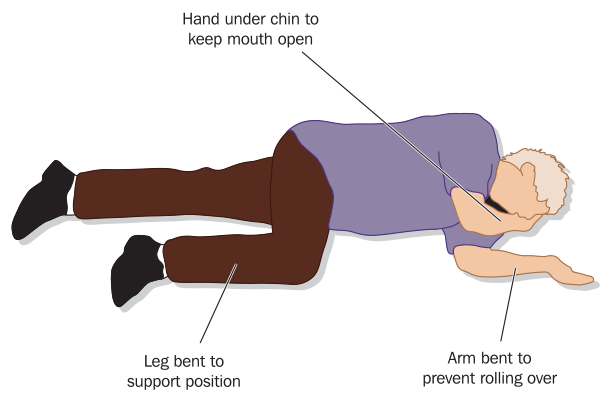
The recovery position is used for victims who are unconscious but breathing with no suspected spinal/head injury.

Why Recovery Position:

  • Prevent aspiration: Allows vomit to drain without entering lungs
  • Keep airway open: Prevents tongue from falling back and blocking airway

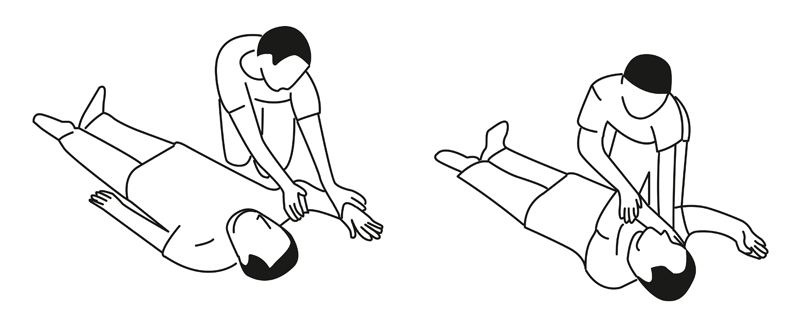
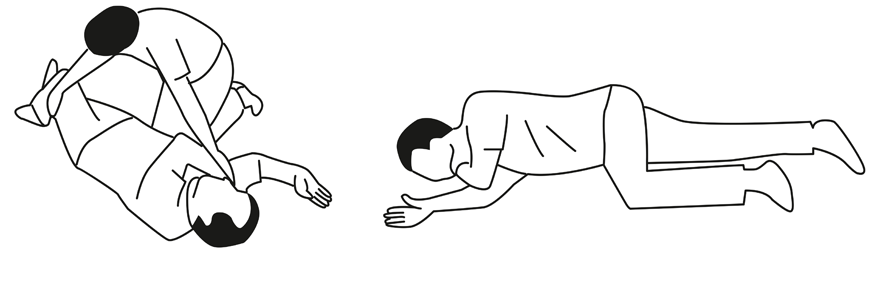
HAINES Method

HAINES (High Arm IN Endangered Spine) is the most effective recovery position method, especially when spinal injury is suspected.

Recovery position step 1
Recovery position step 2
Recovery position step 3
Recovery position complete
1

Victim lying flat on back

2

Kneel beside victim (at abdomen level)

3

Raise nearest arm above head

4

Place far arm across chest, hand on neck

5

Bend far knee toward you

6

Gently roll victim toward you

Video: Recovery Position

HAINES Recovery Position

😰 Part 7: Choking (FBAO)

Critical Importance

⏰ Golden Time

A person will suffer brain damage when deprived of oxygen for only 3-4 minutes and will die within 6 minutes.

Recognizing Choking

  • Victim clutches throat with both hands
  • Panicked, frightened expression
  • Partial obstruction: Wheezing, high-pitched sounds - Encourage strong coughing
  • Complete obstruction: Cannot speak, no air movement

Conscious Adult/Child Choking

Choking sign

Universal choking sign

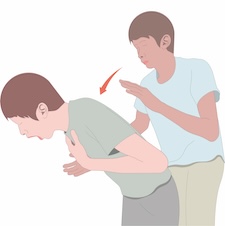
Back blows

Back blows

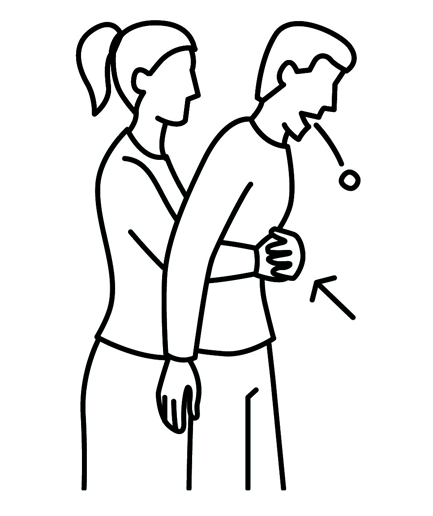
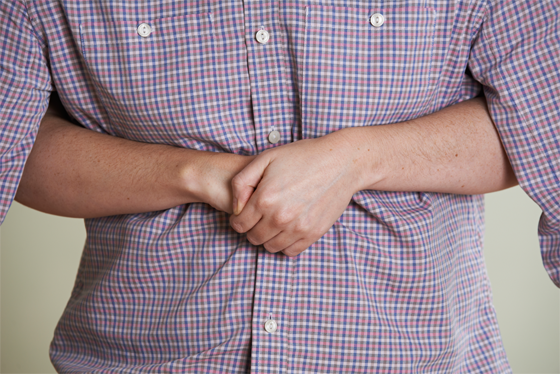
Heimlich

Heimlich maneuver

1

5 Back Blows

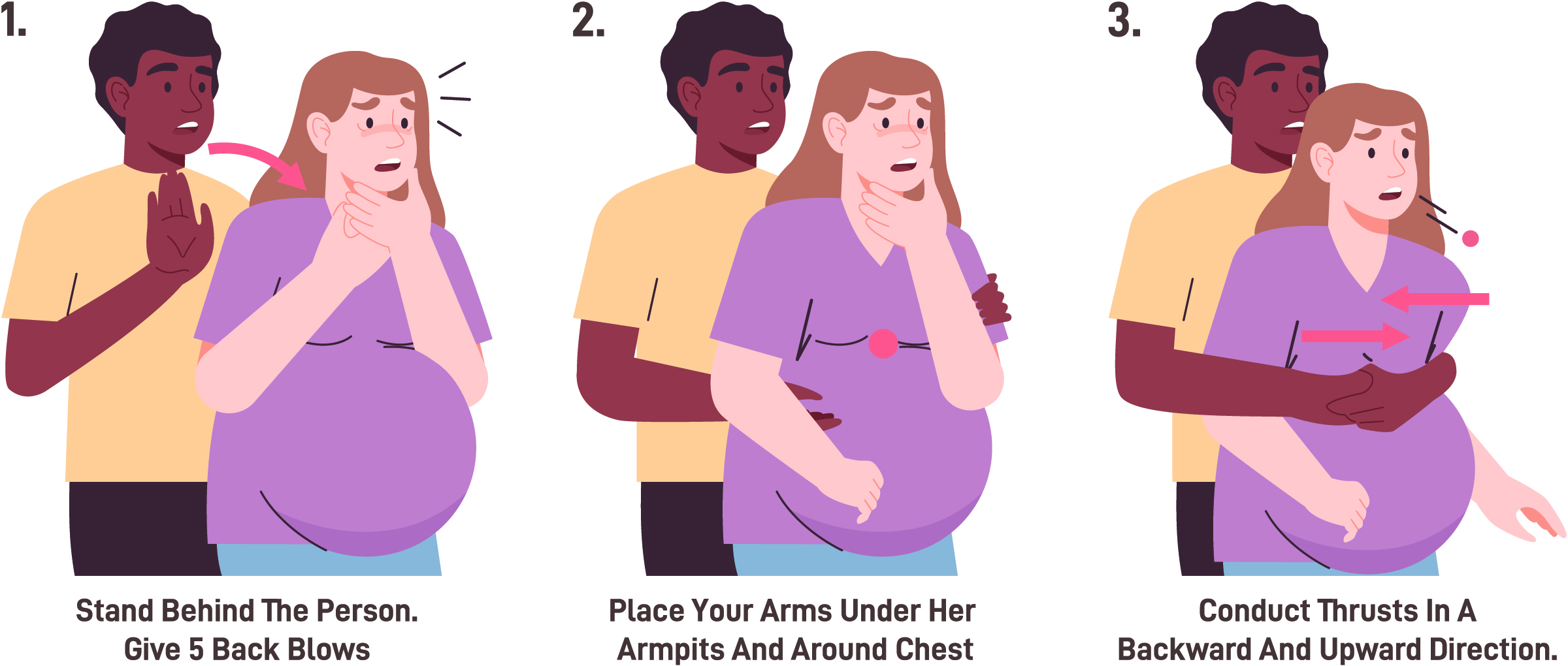
Stand to side and behind, lean victim forward, strike firmly between shoulder blades.

2

5 Abdominal Thrusts (Heimlich)

Make fist above navel, thrust inward and upward.

3

Repeat

Alternate 5 back blows + 5 abdominal thrusts until object dislodges or victim becomes unconscious.

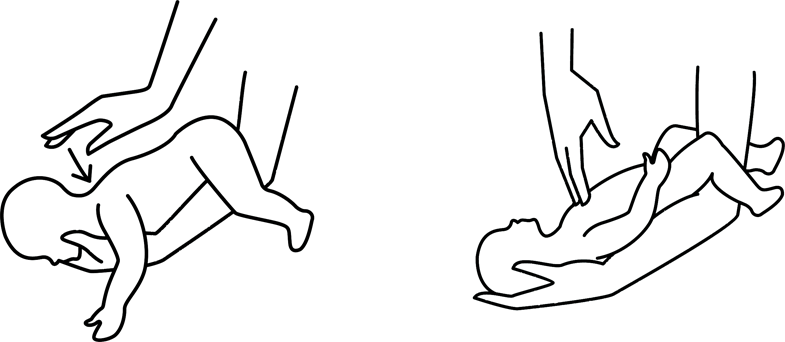
Infant Choking

Infant back blows

Infant back blows

Infant chest thrusts

Infant chest thrusts

1

5 Back Blows

Hold infant face down on forearm, head slightly lower. Strike between shoulder blades.

2

5 Chest Thrusts

Turn infant face up, compress chest with 2-3 fingers at center of chest.

3

Repeat or Begin CPR

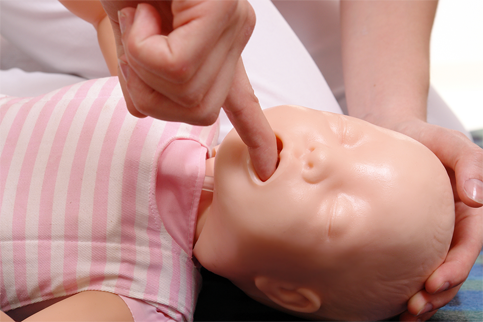
If infant becomes unconscious, begin infant CPR. Check mouth after every 30 compressions.

Video: Choking Response

Adult Choking Response

Infant Choking Response

⚑ Part 8: Automated External Defibrillator (AED)

What is an AED?

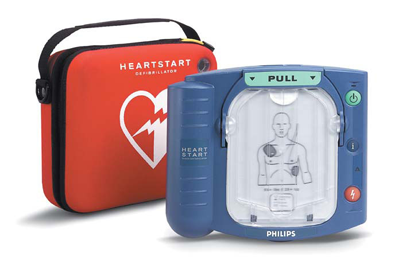
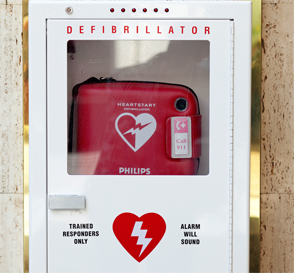
An AED (Automated External Defibrillator) is a portable device that can analyze heart rhythm and deliver an electric shock to restore normal rhythm. Units have voice prompts for easy use.

AED device
AED pads

AED Procedure

1

Turn On AED

Open unit (some turn on automatically when opened).

2

Expose Victim's Chest

Ensure chest is clean and dry.

3

Apply Pads

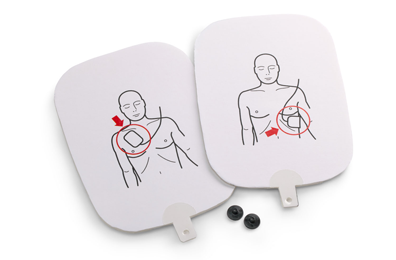
Right pad: Upper right chest | Left pad: Lower left side

Pad placement Pad placement
4

Analyze Rhythm

Announce: "Clear, everyone stand clear". Let AED analyze.

5

Deliver Shock (if advised)

Ensure no one touching victim, press shock button.

Deliver shock
6

Resume CPR

Immediately after shock, continue CPR for 2 minutes, then allow re-analysis.

Video: AED Usage

How to Use an AED

Special Situations

πŸ§” Hairy Chest

Shave pad area to ensure good contact.

πŸ’§ Wet Chest

Dry completely before applying pads. Don't stand in water.

πŸ’Š Medication Patches

Remove patches, wipe clean. Do NOT use alcohol.

πŸ”‹ Pacemaker

Place pads at least 1 inch (2.5 cm) from implanted device.

πŸ“‹ Part 9: 2015 CPR Guidelines Updates

Key Changes

Parameter 2010 Guidelines 2015 Update
Compression Rate At least 100/min 100-120/min
Compression Depth (Adult) At least 2 inches 2-2.4 inches
Sequence CAB CAB (unchanged)
Calling for Help Leave victim to call Use phone at scene

Core Principles

  • Early Recognition - Quickly identify emergency
  • Early Call - Contact 911 immediately
  • Early CPR - High-quality "hard and fast" compressions
  • Early Defibrillation - Use AED if available
  • Early Advanced Care - EMS personnel take over
πŸŽ‰ Congratulations!

You have completed the CPR/AED training course. Practice regularly to maintain your skills and be ready to save lives!